


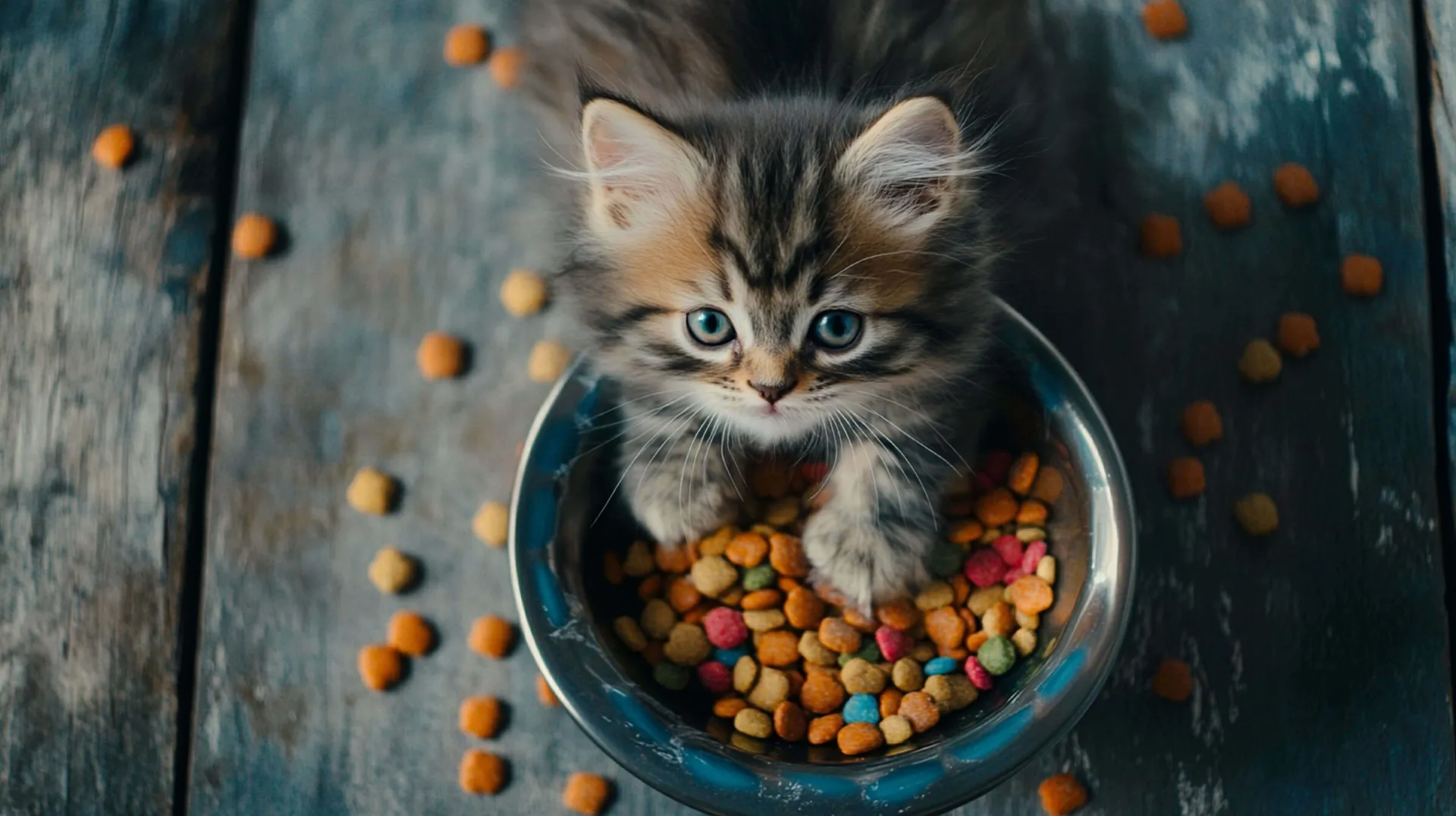
7 Benefits of Wet Cat Food: Hydration, Urinary Health, Weight Management, and More
We may earn a commission from links on this page. How this works
Is Wet Cat Food Good for Cats?
Choosing the right food for your cat is one of the most important decisions you can make as a pet owner. A healthy diet provides essential nutrients, supports digestion, maintains a healthy weight, and contributes to your cat's overall well-being. However, with so many choices available, it can be difficult to decide whether wet cat food, dry cat food, or a combination of both is the best option.
Wet cat food has become a popular choice among cat owners because of its high moisture content, appealing texture, and variety of flavors. Unlike dry kibble, canned cat food contains a substantial amount of water, which can help increase your cat's total daily water intake. This can be particularly useful for cats that do not drink enough water from their bowls.
In addition to hydration, wet cat food may offer benefits for urinary tract health, weight management, appetite, and feeding enjoyment. It can also be a useful option for cats that are selective eaters or have difficulty chewing dry food.
However, wet cat food is not automatically healthier than dry food in every situation. Both formats can provide complete and balanced nutrition when appropriately formulated. The best choice depends on your cat's age, health, activity level, nutritional needs, and individual preferences.
In this guide, we will explore the major benefits of wet cat food, explain how it compares with dry food, and provide practical tips for introducing mixed feeding into your cat's daily routine.
1. Wet Cat Food Helps Increase Hydration
One of the most important benefits of wet cat food is its high moisture content.
Cats naturally obtain water from several sources, including drinking water and the moisture contained in their food. Wet cat food typically contains around 70% to 80% water, making it a useful dietary source of hydration.
According to Cornell University College of Veterinary Medicine, cats eating wet food may drink less water directly because they receive more moisture through their meals. Cats eating dry food generally obtain a greater proportion of their daily water intake from drinking. https://www.vet.cornell.edu/departments-centers-and-institutes/cornell-feline-health-center/health-information/feline-health-topics/hydration
Recommended Best Deals
-
1
Buy now at AliExpress (opens in a new tab) AliExpress
-
2
Buy now at AliExpress (opens in a new tab) AliExpress
-
3
Buy now at AliExpress (opens in a new tab) AliExpress


We may earn a commission at no cost to you.Price checked:
Why Is Hydration Important for Cats?
Water supports several essential functions in a cat's body, including:
Maintaining normal body temperature
Supporting digestion
Helping regulate electrolyte balance
Transporting nutrients
Supporting normal kidney function
Helping the body eliminate waste
When a cat does not consume enough water, dehydration can develop. Dehydration may affect circulation, digestion, and other important bodily functions.
Cats that eat exclusively dry food may be particularly dependent on drinking water to meet their daily hydration requirements.
Adding wet cat food to a feeding routine can help increase the amount of water your cat consumes through food.
How Wet Food Supports Daily Water Intake
Imagine a cat that eats dry kibble and drinks very little water from its bowl. Adding a portion of wet food to its daily meals introduces additional moisture into the diet.
The cat may consume more total water without needing to drink as much separately.
This does not mean that wet food replaces the need for fresh drinking water. Every cat should have continuous access to clean water, regardless of the type of food it eats.
Recommended Best Deals
-
1
Buy now at AliExpress (opens in a new tab) AliExpress
-
2
Buy now at AliExpress (opens in a new tab) AliExpress
-
3
Buy now at AliExpress (opens in a new tab) AliExpress

We may earn a commission at no cost to you.Price checked:
Tips for Encouraging Better Hydration
To help your cat maintain adequate hydration:
Provide fresh water every day.
Place water bowls in quiet, accessible locations.
Keep water away from dirty litter boxes.
Try a water fountain if your cat prefers moving water.
Offer wet food as part of a balanced feeding routine.
Consider adding a little water to food if your cat accepts it.
Some cats prefer wide, shallow water bowls, while others may drink more from fountains. Individual preferences vary.
If your cat suddenly drinks significantly more or less water than usual, consult your veterinarian. Changes in drinking behavior can sometimes indicate an underlying medical condition.
2. Wet Cat Food Can Support Urinary Tract Health
Urinary tract health is another important reason many cat owners consider wet cat food.
Cats can develop urinary problems involving the bladder and urethra. These conditions may include inflammation, crystals, urinary stones, and urethral obstruction.
Increasing water intake can be helpful for some cats because it may increase urine volume and dilute the urine.
Recommended Best Deals
-
1
Buy now at AliExpress (opens in a new tab) AliExpress
-
2
Buy now at AliExpress (opens in a new tab) AliExpress
-
3
Buy now at AliExpress (opens in a new tab) AliExpress


We may earn a commission at no cost to you.Price checked:
How Does Wet Cat Food Help the Urinary System?
When a cat consumes more water, it may produce a larger volume of urine.
More dilute urine can reduce the concentration of certain minerals that contribute to crystal and stone formation.
Research has shown that dietary water intake can influence urine output, urine concentration, and the relative supersaturation of minerals involved in some feline urinary stones.
However, urinary health is more complicated than simply drinking enough water.
The type of urinary problem, urine chemistry, mineral balance, genetics, and other health factors may influence whether a cat develops crystals or stones.
A high-moisture diet may support urinary health, but it does not guarantee that urinary disease will be prevented.
Can Wet Cat Food Prevent Urinary Stones?
Wet cat food may help reduce some urinary risk factors by increasing water intake.
However, not every urinary stone forms for the same reason.
For example, struvite and calcium oxalate stones have different characteristics and may require different dietary management.
Some cats with diagnosed urinary conditions need a specific veterinary therapeutic diet rather than an ordinary canned food.
If your cat has a history of urinary crystals, stones, or bladder problems, consult your veterinarian before changing its diet.
Recommended Best Deals
-
1
Buy now at AliExpress (opens in a new tab) AliExpress
-
2
Buy now at AliExpress (opens in a new tab) AliExpress
-
3
Buy now at AliExpress (opens in a new tab) AliExpress

We may earn a commission at no cost to you.Price checked:
Warning Signs of Urinary Problems in Cats
Watch for the following symptoms:
Frequent trips to the litter box
Straining while attempting to urinate
Producing only small amounts of urine
Blood in the urine
Crying while urinating
Excessive licking around the genital area
Urinating outside the litter box
These symptoms can indicate a urinary tract problem and should be evaluated by a veterinarian.
Urinary Blockage Is a Medical Emergency
A urethral obstruction occurs when urine cannot pass normally through the urethra.
This is particularly dangerous in male cats because their urethras are narrower.
Signs may include repeated attempts to urinate, little or no urine production, pain, vomiting, and weakness.
If your cat is straining to urinate and producing little or no urine, seek emergency veterinary care immediately.
Do not wait to see whether wet food or additional water will solve the problem.
A urinary blockage can become life-threatening and requires immediate medical treatment.
Recommended Best Deals
-
1
Buy now at AliExpress (opens in a new tab) AliExpress
-
2
Buy now at AliExpress (opens in a new tab) AliExpress
-
3
Buy now at AliExpress (opens in a new tab) AliExpress


We may earn a commission at no cost to you.Price checked:
3. Wet Cat Food Can Help With Weight Management
Maintaining a healthy weight is essential for your cat's long-term health.
Overweight cats may have an increased risk of conditions such as diabetes mellitus, joint problems, and reduced mobility.
Wet cat food can be a useful part of a weight-management plan because its high moisture content generally makes it less calorie-dense by weight than dry kibble.
Why Is Wet Cat Food Often Less Calorie-Dense?
Dry cat food contains relatively little water.
As a result, a small amount of dry kibble can contain a substantial number of calories.
Wet cat food contains more water, which contributes to its weight and volume without adding calories.
This can allow a cat to consume a larger-looking portion while receiving fewer calories, depending on the specific foods being compared.
For example, a portion of wet food may provide more meal volume than an equivalent calorie amount of dry food.
This can be useful for cats that need to manage their calorie intake.
However, not every wet food is low in calories. Some canned formulas contain substantial amounts of fat or energy.
Always compare the calorie information on the food label.
Recommended Best Deals
-
1
Buy now at AliExpress (opens in a new tab) AliExpress
-
2
Buy now at AliExpress (opens in a new tab) AliExpress
-
3
Buy now at AliExpress (opens in a new tab) AliExpress


We may earn a commission at no cost to you.Price checked:
Does Wet Food Help Cats Feel Fuller?
The moisture in wet cat food can increase meal volume.
For some cats, a meal with more volume may help support satiety, or the feeling of fullness.
However, the effect varies among individual cats and food formulations.
A cat may still overeat if it receives more calories than it needs.
Wet food should therefore be portioned according to the cat's calorie requirements rather than being offered without limits.
Why Weight Management Matters for Indoor Cats
Indoor cats may have fewer opportunities for physical activity than cats that spend time outdoors.
However, indoor living does not automatically mean a cat will become overweight.
Weight gain usually occurs when calorie intake consistently exceeds energy expenditure.
Factors that can contribute include:
Excessive portion sizes
Frequent treats
Free-feeding
Limited activity
Changes in metabolism
Neutering-related changes in energy needs
A combination of appropriate nutrition and regular activity can help maintain a healthy body condition.
Recommended Best Deals
-
1
Buy now at AliExpress (opens in a new tab) AliExpress
-
2
Buy now at AliExpress (opens in a new tab) AliExpress

We may earn a commission at no cost to you.Price checked:
How to Use Wet Cat Food for Weight Management
If your cat needs to lose weight, consider the following:
Ask your veterinarian to determine your cat's ideal weight.
Establish an appropriate daily calorie target.
Measure food portions rather than estimating them.
Include calories from treats and snacks.
Monitor body weight regularly.
Encourage daily play and movement.
A veterinarian can help create a safe weight-loss plan.
Do not drastically reduce your cat's food intake without professional guidance. Cats need adequate nutrition, and rapid weight loss can be dangerous.
4. Wet Cat Food Can Make Mealtime More Enjoyable
Another advantage of wet cat food is its appealing texture, aroma, and variety.
Cats rely heavily on their sense of smell when evaluating food. Wet cat food often has a stronger aroma than dry kibble, which may make it attractive to some cats.
It is available in many forms, including:
Pâté
Gravy
Chunks
Shreds
Minced meat
Jelly-based formulas
These different textures can provide variety for cats that prefer specific food characteristics.
Why Do Some Cats Prefer Wet Cat Food?
Some cats find wet food more appealing because of its moisture, aroma, and texture.
A cat that is reluctant to eat dry food may show more interest in a wet formula.
However, preferences differ.
Some cats prefer dry kibble, while others enjoy both formats.
There is no requirement that every cat must eat wet food if it is already receiving a complete and balanced diet and maintaining good health.
Wet Food for Picky Eaters
Picky eating can be frustrating for cat owners.
A cat may refuse a particular food because of its texture, smell, temperature, or previous feeding experience.
Wet cat food can provide additional variety and may help encourage food intake in some selective eaters.
You can try:
Offering a small portion of a different texture
Introducing a new flavor gradually
Serving food at a comfortable temperature
Keeping feeding areas clean and quiet
Avoiding sudden changes in diet
However, a cat that suddenly refuses food should not automatically be considered picky.
Loss of appetite may indicate illness, dental pain, nausea, or another medical issue.
If your cat refuses food, especially when accompanied by vomiting, lethargy, or weight loss, contact your veterinarian.
5. Wet Cat Food Can Be Easier to Eat for Some Cats
Wet cat food has a soft texture that may be helpful for cats with certain feeding difficulties.
For example, cats with dental discomfort may find some wet foods easier to eat than hard kibble.
Senior cats may also benefit from a softer texture if chewing has become difficult.
However, wet food does not treat dental disease.
If your cat has bad breath, difficulty chewing, drooling, or a sudden change in eating behavior, arrange a veterinary examination.
Is Wet Cat Food Better for Senior Cats?
Some senior cats may benefit from wet food because it provides additional moisture and can be easier to chew.
However, senior cats have different nutritional requirements depending on their health.
A healthy senior cat may do well on a complete and balanced adult maintenance diet.
A senior cat with kidney disease, diabetes, or another medical condition may require a specific nutritional plan.
The choice should be based on the individual cat's needs rather than age alone.
6. Wet Cat Food Can Support Nutritional Variety
Wet cat food is available in many different protein sources and formulations.
Depending on the product, ingredients may include chicken, turkey, fish, beef, or other animal proteins.
This variety can make feeding more enjoyable for cats that prefer different flavors and textures.
However, the most important factor is nutritional adequacy.
Why Complete and Balanced Nutrition Matters
Cats are obligate carnivores and require specific nutrients to remain healthy.
These include essential amino acids, fatty acids, vitamins, and minerals.
A commercial cat food labeled as complete and balanced for the appropriate life stage should provide the necessary nutrients when fed according to its instructions.
Not every canned cat food is intended to serve as a complete meal.
Some products are designed as treats, toppers, or supplemental foods.
Read the label carefully before making a food part of your cat's regular diet.
Wet Food for Kittens
Kittens have different nutritional requirements from adult cats.
They need food that supports growth and development.
A kitten's diet should be formulated for growth or an appropriate life stage that includes growth.
Do not assume that an adult maintenance wet food is suitable for a growing kitten.
Wet Food for Cats With Medical Conditions
Some cats require therapeutic diets to manage specific health conditions.
For example, a cat with a urinary disorder may need a veterinary urinary diet.
A cat with kidney disease may require a different nutritional approach.
Ordinary wet cat food should not be considered a replacement for a prescribed therapeutic diet.
Always consult your veterinarian before changing the diet of a cat with a diagnosed medical condition.
7. Combining Wet and Dry Cat Food Can Offer Practical Benefits
Many cat owners choose mixed feeding, which involves providing both wet and dry cat food.
Mixed feeding can combine the moisture benefits of wet food with the convenience of dry kibble.
It can also provide variety in texture and feeding routines.
What Is Mixed Feeding?
Mixed feeding means including both wet and dry food in your cat's daily diet.
For example, a cat may receive wet food in the morning and dry food later in the day.
Alternatively, a portion of wet food may be served alongside a measured amount of dry kibble.
There is no single feeding schedule that works for every cat.
The important factors are nutritional completeness, calorie intake, and the cat's individual needs.
Benefits of Mixing Wet and Dry Food
Mixed feeding may provide several advantages.
Additional moisture: Wet food contributes water to the daily diet.
Convenience: Dry food can be easier to portion and store.
Texture variety: Cats may enjoy having different food textures.
Feeding flexibility: Owners can divide meals according to their schedules.
Appetite support: Wet food may encourage some cats to eat more readily.
However, mixed feeding is not automatically healthier than feeding only wet or only dry food.
Both approaches can be appropriate when the diet is complete and balanced and the portions meet the cat's needs.
How to Mix Wet and Dry Cat Food Correctly
If you want to introduce mixed feeding, follow these steps.
Step 1: Choose Appropriate Foods
Select complete and balanced wet and dry foods that are suitable for your cat's life stage.
If your cat has a medical condition, ask your veterinarian whether the selected foods are appropriate.
Step 2: Calculate the Daily Calories
Determine how many calories your cat needs each day.
The amount depends on body weight, activity level, age, neutering status, and health.
Do not simply add a can of wet food to the existing dry-food portion.
Doing so may increase total calorie intake and cause weight gain.
Step 3: Reduce the Dry-Food Portion Accordingly
When adding wet food, reduce the amount of dry food to account for the calories provided by the wet meal.
Use the calorie information on the food labels.
This is particularly important for indoor cats and cats that are already overweight.
Step 4: Introduce the Change Gradually
Sudden dietary changes can cause digestive upset in some cats.
Introduce the new food gradually over several days.
A transition lasting approximately four to seven days may help reduce digestive problems, although some cats may need a longer period.
Step 5: Monitor Your Cat
Observe your cat's appetite, stool quality, body weight, and general behavior.
If vomiting, diarrhea, or other concerning symptoms develop, consult your veterinarian.
Wet Cat Food vs. Dry Cat Food: Which Is Better?
Both wet and dry cat food can provide appropriate nutrition.
The choice depends on the food's nutritional quality and your cat's individual needs.
Feature | Wet Cat Food | Dry Cat Food |
|---|---|---|
Moisture content | Generally high | Generally low |
Calorie density by weight | Often lower | Often higher |
Texture | Soft and moist | Crunchy |
Storage | Refrigerate after opening | Usually convenient to store |
Palatability | Appealing to many cats | Preferred by some cats |
Feeding convenience | Requires careful storage | Convenient for measured feeding |
Hydration contribution | Significant | Limited |
Nutritional completeness | Depends on formula | Depends on formula |
Is Wet Cat Food Always Better Than Dry Food?
No.
A complete and balanced dry food can be a suitable diet for many healthy cats.
Wet food offers a clear advantage in dietary moisture, but it is not automatically superior in every nutritional aspect.
The quality of the formulation, calorie intake, and individual health requirements matter.
A cat eating a suitable dry diet with adequate water access may be healthy.
Likewise, a cat eating wet food can become overweight if it receives too many calories.
The goal is not to choose food based on its format alone. The goal is to meet your cat's nutritional needs.
Common Mistakes to Avoid When Feeding Wet Cat Food
Although wet cat food can be beneficial, some feeding mistakes may reduce its advantages.
1. Feeding Too Much
Wet food should be included in the daily calorie allowance.
Adding wet food without reducing other food portions can lead to excess calorie intake.
2. Choosing Food Without Checking the Label
Some canned foods are intended for supplemental feeding only.
Check whether the product is complete and balanced for your cat's life stage.
3. Changing Food Too Quickly
A sudden change in food may cause digestive upset.
Introduce new food gradually whenever possible.
4. Leaving Wet Food Out for Too Long
Wet cat food can spoil if left at room temperature for extended periods.
Follow the manufacturer's instructions for serving and storage.
Discard uneaten food that has been left out too long, particularly in warm environments.
5. Ignoring Sudden Appetite Changes
A cat that suddenly refuses food may be unwell.
Do not assume that every appetite problem is caused by food preference.
6. Treating Wet Food as a Cure for Urinary Disease
Wet food may support hydration, but it cannot treat an existing urinary blockage.
A cat that cannot urinate requires immediate veterinary attention.
Frequently Asked Questions About Wet Cat Food
1. Is wet cat food good for cats every day?
Yes. A complete and balanced wet cat food formulated for the appropriate life stage can be fed every day. The amount should meet your cat's nutritional and calorie requirements. Fresh drinking water should remain available at all times.
2. Does wet cat food help prevent urinary tract problems?
Wet cat food can increase dietary water intake and may help dilute urine. This can support urinary health in some cats. However, it does not guarantee the prevention of crystals, stones, or urinary blockage. Cats with urinary disease may require veterinary treatment or a specialized diet.
3. Can wet cat food help my cat lose weight?
Wet cat food may support weight management because it often contains fewer calories per gram than dry kibble. However, weight loss depends on total calorie intake. Portion control, activity, and veterinary guidance are important.
4. Should I mix wet and dry cat food?
Mixed feeding can be a suitable option for many cats. It provides dietary variety and additional moisture while retaining the convenience of dry food. Make sure the total daily calories are appropriate.
5. How much wet food should I give my cat?
The amount depends on the cat's weight, activity, health, and the calorie content of the food. Follow the feeding instructions as a starting point and ask your veterinarian to help determine the appropriate daily amount.
6. Can I add water to dry cat food?
Some cats accept dry food with a small amount of added water. This can increase moisture intake. However, moistened kibble should not be left out for extended periods because it can spoil. If your cat refuses the food or has a medical condition, consult your veterinarian.
7. Is wet cat food good for indoor cats?
Wet cat food can be useful for indoor cats because it provides additional moisture and may help with calorie management. However, indoor cats still need appropriate portions and regular activity.
8. Is wet cat food better for picky eaters?
Some picky cats prefer wet food because of its aroma and texture. Offering different textures or flavors may help. However, sudden appetite loss should be investigated, particularly if the cat is losing weight or showing other symptoms.
9. Can senior cats eat wet cat food?
Many senior cats can eat wet cat food. Its soft texture and moisture may be helpful for some older cats. The food should still meet the cat's nutritional requirements and be appropriate for any existing medical conditions.
10. Can wet cat food replace drinking water?
No. Wet cat food contributes to hydration, but fresh drinking water should always be available. Cats may still need to drink water even when they eat a high-moisture diet.
Final Thoughts: Is Adding Wet Cat Food Worth It?
Wet cat food can be a valuable part of a healthy feeding routine.
Its high moisture content can help increase daily water intake, which may support hydration and urinary health. Its calorie density and meal volume may also make it useful for managing body weight when portions are carefully controlled.
Additionally, wet food can provide a more enjoyable eating experience for some cats, especially those that prefer soft textures or stronger aromas.
Combining wet and dry food may offer flexibility, convenience, and nutritional variety. However, mixed feeding should be planned carefully to avoid excess calories.
The most important factor is selecting a complete and balanced diet that meets your cat's individual needs.
Remember: Wet food can support your cat's health, but it is not a substitute for veterinary care. If your cat has difficulty urinating, repeatedly strains in the litter box, or produces little to no urine, seek emergency veterinary attention.
A thoughtful feeding routine, regular monitoring, and professional veterinary guidance can help your cat maintain a healthy and comfortable life.
References
Cornell University College of Veterinary Medicine – Hydration
https://www.vet.cornell.edu/departments-centers-and-institutes/cornell-feline-health-center/health-information/feline-health-topics/hydrationCornell University College of Veterinary Medicine – Feeding Your Cat
https://www.vet.cornell.edu/departments-centers-and-institutes/cornell-feline-health-center/health-information/feline-health-topics/feeding-your-catAmerican Animal Hospital Association – Wet Cat Food: More Than a Meal, a Key Ingredient for Feline Wellbeing
https://www.aaha.org/newstat/publications/wet-cat-food-more-than-a-meal-a-key-ingredient-for-feline-wellbeing/American Animal Hospital Association – Nutrition and Weight Management Guidelines
https://www.aaha.org/resources/2021-aaha-nutrition-and-weight-management-guidelines/Association of American Feed Control Officials – Selecting the Right Pet Food
https://www.aafco.org/consumers/understanding-pet-food/selecting-the-right-pet-food/
Disclaimer: This article is for general educational purposes only. It does not replace professional veterinary advice, diagnosis, or treatment. Always consult a qualified veterinarian before making significant changes to your cat's diet, especially if your cat has an existing medical condition.