


Why Do Cats Get Hairballs? Causes, Symptoms, Prevention, and Treatment
We may earn a commission from links on this page. As an Amazon Associate I earn from qualifying purchases. How this works
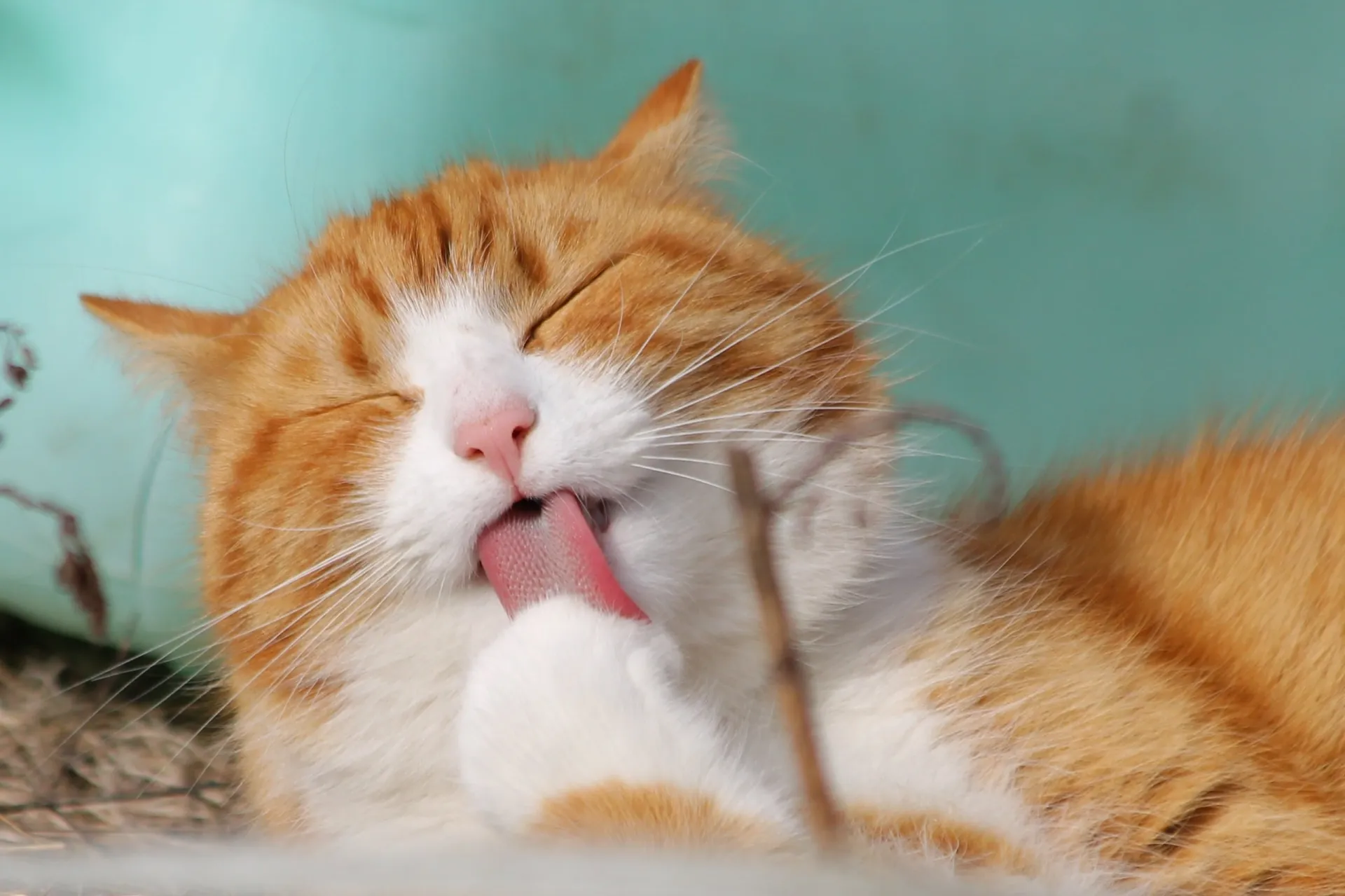
If you have a cat, you have probably experienced the unpleasant surprise of finding a damp, tube-shaped clump of fur on your floor or carpet. These clumps, commonly known as hairballs, are a familiar part of cat ownership. Although they may look unpleasant, hairballs usually develop because of a normal feline behavior: grooming.
Cats are naturally clean animals. They spend a significant amount of time licking their fur to remove dirt, loose hair, and other debris. During this process, they inevitably swallow some of their own hair. Most of the swallowed fur passes through the digestive system and leaves the body in the stool. However, some hair can remain in the stomach and collect into a mass that the cat eventually vomits.
But why do cats get hairballs more frequently than others? Are hairballs dangerous? Can you prevent them through brushing or specialized cat food? And when should you worry about your cat's repeated vomiting?
Understanding the causes of cat hairballs, their warning signs, and the best prevention methods can help you maintain your cat's digestive health. This guide explains everything cat owners need to know about hairballs, from everyday grooming habits to situations that require veterinary attention.
What Is a Cat Hairball?
A cat hairball is a collection of swallowed hair that accumulates in the digestive tract, usually in the stomach. The veterinary term for a hairball is trichobezoar.
Despite the name, cat hairballs are not always round. Most hairballs that cats vomit are elongated, cylindrical, or tube-shaped. Their appearance is influenced by the narrow passage through which they travel when being expelled.
A typical hairball may contain:
Undigested cat fur
Digestive fluids
Bile
Small amounts of food
Other material swallowed during grooming
Hair is primarily composed of keratin, a tough protein that the digestive system cannot easily break down. This is why swallowed fur may remain intact as it moves through the gastrointestinal tract.
When a cat swallows loose hair during grooming, the digestive system usually handles it without difficulty. Most hair passes through the intestines and is eliminated in the feces. However, some hair may accumulate in the stomach.
When the accumulated hair irritates the stomach, the cat may retch and vomit to remove it.
Occasional hairballs are generally not a major concern in an otherwise healthy cat. However, frequent hairball vomiting, repeated unsuccessful retching, or changes in appetite and behavior should not be ignored.
How Do Cats Get Hairballs?
To understand why cats get hairballs, it is important to understand how their grooming habits work.
Recommended Best Deals
-
1
Buy now at AliExpress (opens in a new tab) AliExpress
-
2
Buy now at AliExpress (opens in a new tab) AliExpress
-
3
Buy now at AliExpress (opens in a new tab) AliExpress


We may earn a commission at no cost to you.Price checked:
1. Cats Groom Themselves With Their Tongues
Cats have rough tongues covered with tiny, backward-facing structures called papillae. These structures help them remove loose hair, dirt, and debris from their coats.
Unlike a smooth human tongue, a cat's tongue acts somewhat like a natural grooming brush.
As a cat licks its fur, loose hair becomes trapped in the papillae. The cat then swallows that hair while continuing its grooming routine.
This behavior is completely natural and helps cats maintain clean coats.
2. Swallowed Hair Enters the Digestive System
Once the cat swallows the hair, it travels through the esophagus into the stomach.
The digestive system can move some of the hair through the intestines, where it eventually leaves the body in the stool.
However, hair is not easily digested. If a significant amount accumulates in the stomach, it may combine with digestive fluids and form a compact mass.
Recommended Best Deals
-
1
Buy now at AliExpress (opens in a new tab) AliExpress
-
2
Buy now at AliExpress (opens in a new tab) AliExpress
-
3
Buy now at AliExpress (opens in a new tab) AliExpress


We may earn a commission at no cost to you.Price checked:
3. Hair Accumulates in the Stomach
When swallowed hair does not pass through the digestive tract efficiently, it may remain in the stomach.
Over time, additional hair can collect around the existing material. The resulting mass may irritate the stomach lining and trigger vomiting.
The cat may then expel the hairball through its mouth.
4. The Cat Vomits to Remove the Hairball
When a hairball irritates the stomach, the cat may experience nausea and begin retching.
You may notice your cat:
Crouching close to the floor
Extending its neck
Making repeated hacking sounds
Contracting its abdominal muscles
Vomiting a damp clump of fur
After successfully bringing up a hairball, an otherwise healthy cat may return to its normal behavior.
However, repeated retching without producing a hairball can indicate another problem. It should not automatically be assumed that the cat is trying to remove fur.
Recommended Best Deals
-
1
Buy now at AliExpress (opens in a new tab) AliExpress
-
2
Buy now at AliExpress (opens in a new tab) AliExpress
-
3
Buy now at AliExpress (opens in a new tab) AliExpress

We may earn a commission at no cost to you.Price checked:
Why Do Some Cats Get Hairballs More Often Than Others?
Not every cat develops hairballs at the same frequency. Several factors can influence how much hair a cat swallows and how efficiently that hair passes through the digestive system.
1. Long-Haired Cat Breeds
Long-haired cats are generally more prone to hairballs because they have more fur that can become loose during grooming.
Breeds commonly associated with increased hairball risk include:
Persian cats
Maine Coons
Ragdolls
Norwegian Forest Cats
Siberian cats
These cats often require more frequent brushing to remove loose hair before they swallow it.
However, having long hair does not automatically mean a cat will develop frequent hairballs. Grooming habits, coat condition, and individual health also matter.
Recommended Best Deals
-
1
Buy now at AliExpress (opens in a new tab) AliExpress
-
2
Buy now at AliExpress (opens in a new tab) AliExpress
-
3
Buy now at AliExpress (opens in a new tab) AliExpress


We may earn a commission at no cost to you.Price checked:
2. Frequent Self-Grooming
Some cats groom themselves more frequently than others.
A cat that spends excessive time licking its coat may swallow more hair than a cat with normal grooming habits.
Excessive grooming can sometimes be associated with:
Flea infestations
Skin irritation
Food allergies
Environmental allergies
Anxiety or stress
Skin infections
Pain or discomfort
If your cat suddenly begins grooming more frequently, investigate the reason rather than treating the resulting hairballs alone.
3. Seasonal Shedding
Cats may shed more heavily during certain seasons.
During periods of increased shedding, more loose hair becomes available for the cat to swallow while grooming.
This can lead to a temporary increase in hairballs.
Regular brushing during shedding periods can help reduce the amount of loose fur that enters the digestive system.
Recommended Best Deals
- 1
- 2
-
3
Buy now at AliExpress (opens in a new tab) AliExpress


We may earn a commission at no cost to you.Price checked:
4. Older Cats
Adult and senior cats may be more likely to develop hairballs than young kittens.
Older cats have generally developed established grooming habits and may spend considerable time cleaning themselves.
Additionally, some older cats may have underlying digestive or other health conditions that affect how they process swallowed hair.
Frequent hairballs in a senior cat should be discussed with a veterinarian, particularly if they occur alongside changes in appetite, weight, energy, or bowel movements.
5. Poor Coat Maintenance
When loose hair is not removed through regular brushing, it can accumulate in the cat's coat.
The cat may then swallow more fur while grooming.
Matted fur can also make grooming more difficult and may hide skin problems.
A consistent grooming routine can help reduce loose hair and allow owners to identify skin irritation, parasites, and other coat-related concerns early.
Recommended Best Deals
-
1
Buy now at AliExpress (opens in a new tab) AliExpress
-
2
Buy now at AliExpress (opens in a new tab) AliExpress
-
3
Buy now at AliExpress (opens in a new tab) AliExpress



We may earn a commission at no cost to you.Price checked:
Are Hairballs Normal for Cats?
Occasional hairballs can be normal for cats, especially those with long coats or heavy shedding.
However, there is no single frequency that is safe for every cat. The number of hairballs a cat produces should be considered alongside its overall health and behavior.
A cat that occasionally vomits a hairball but continues eating, drinking, playing, and using the litter box normally may not have a serious problem.
On the other hand, repeated hairball vomiting can indicate excessive grooming, a digestive issue, or another underlying condition.
Veterinary advice is recommended if your cat regularly vomits hairballs. Some veterinary sources suggest contacting a veterinarian when hairballs occur more than once a month, while others describe occasional episodes every week or two as potentially normal in otherwise healthy cats.
These differences highlight why the individual cat's health matters more than a rigid frequency threshold.
Important: Repeated vomiting should never be dismissed simply because the cat has a history of hairballs.
What Are the Symptoms of Hairballs in Cats?
Recognizing the symptoms of cat hairballs can help you distinguish an occasional grooming-related problem from a potentially serious health issue.
Recommended Best Deals
-
1
Buy now at AliExpress (opens in a new tab) AliExpress
-
2
Buy now at AliExpress (opens in a new tab) AliExpress

We may earn a commission at no cost to you.Price checked:
Common Hairball Symptoms
Typical signs that a cat may be attempting to vomit a hairball include:
Repeated gagging or retching
Hacking sounds
Nausea
Crouching with the neck extended
Abdominal contractions
Vomiting a clump of fur
Temporary discomfort before vomiting
Some cats may also produce a small amount of liquid or foam before bringing up a hairball.
After vomiting, a healthy cat may quickly return to normal behavior.
However, if the cat continues to appear uncomfortable, refuses food, or repeatedly attempts to vomit without producing anything, veterinary attention is necessary.
Hairball Symptoms That May Indicate a Serious Problem
Hairballs can occasionally contribute to an obstruction in the digestive tract.
An intestinal blockage can prevent food, fluids, and digestive material from moving normally through the intestines.
Warning signs may include:
Repeated vomiting
Unproductive retching
Loss of appetite
Lethargy
Abdominal pain
Constipation or reduced stool production
Dehydration
Unusual hiding behavior
Weakness
These symptoms can also be caused by other medical conditions.
A veterinarian should evaluate a cat showing these signs rather than assuming that a hairball is responsible.
When Should You Be Concerned About Cat Hairballs?
Most cat owners are familiar with occasional hairball vomiting. The important question is knowing when the behavior becomes abnormal.
1. Your Cat Frequently Vomits Hairballs
If your cat produces hairballs repeatedly, schedule a veterinary appointment.
Frequent episodes may indicate excessive grooming, skin irritation, food intolerance, digestive problems, or another underlying issue.
The veterinarian may recommend examining the cat's skin, coat, diet, and digestive health.
2. Your Cat Keeps Retrying but Cannot Vomit
Repeated unsuccessful retching is a particularly important warning sign.
Your cat may appear to be trying to bring up a hairball but produce nothing.
This behavior can occur with a digestive obstruction, respiratory disease, or another condition.
Do not wait for a hairball to appear if your cat is repeatedly retching without producing anything.
3. Your Cat Stops Eating
Loss of appetite after repeated vomiting can indicate a serious problem.
A cat with an intestinal obstruction may experience nausea, pain, and difficulty passing digestive material.
Cats that stop eating can also develop additional health complications.
Contact your veterinarian promptly if your cat refuses food or shows other signs of illness.
4. Your Cat Becomes Lethargic
A cat that becomes unusually tired, weak, or withdrawn may be experiencing more than a routine hairball episode.
If lethargy occurs alongside vomiting, abdominal discomfort, or reduced appetite, seek veterinary care.
5. Your Cat Has Breathing Problems
Coughing and hairball retching can sometimes look similar.
A cat with respiratory disease may crouch, extend its neck, and produce hacking sounds.
If your cat is struggling to breathe, breathing with its mouth open, or showing signs of respiratory distress, seek emergency veterinary care immediately.
Do not assume that breathing difficulty is caused by a hairball.
How to Prevent Hairballs in Cats
Although it may not be possible to eliminate hairballs completely, several practical methods can help reduce their frequency.
1. Brush Your Cat Regularly
Regular brushing is one of the most effective ways to reduce the amount of loose hair your cat swallows.
When you brush your cat, you remove loose fur before the cat has an opportunity to ingest it during grooming.
For long-haired cats, daily brushing may be necessary.
Short-haired cats may need less frequent brushing, depending on their coat and shedding habits.
Choose a grooming tool suitable for your cat's coat type.
Examples include:
Soft grooming brushes
Slicker brushes
Metal combs
Deshedding tools designed for cats
Use gentle movements and avoid pulling at tangled fur.
If your cat has painful mats or severe tangles, consult a veterinarian or professional groomer. Do not cut close to the skin with scissors because cat skin can be easily injured.
2. Establish a Comfortable Grooming Routine
Some cats dislike brushing, especially if they are not accustomed to it.
To make grooming easier:
Begin with short sessions.
Choose a quiet environment.
Brush gently.
Avoid pulling on the coat.
Reward your cat with treats or affection.
Stop if your cat becomes distressed.
The goal is to make grooming a positive experience.
A calm and consistent routine can help you remove loose hair without creating unnecessary stress.
3. Monitor Excessive Grooming
If your cat is constantly licking, biting, or chewing its fur, investigate the cause.
Excessive grooming may be linked to parasites, allergies, skin infections, pain, or stress.
Look for signs such as:
Bald patches
Red or irritated skin
Excessive scratching
Hair loss
Frequent licking of one body area
Changes in behavior
A veterinarian can determine whether the problem requires parasite treatment, allergy management, or another intervention.
Treating the underlying cause may reduce excessive grooming and help prevent recurrent hairballs.
4. Maintain a Healthy Diet
A balanced diet supports your cat's overall health, including skin, coat, and digestive function.
Choose a complete and balanced cat food appropriate for your cat's age, lifestyle, and health requirements.
A diet that supports healthy skin and coat may help reduce excessive shedding when nutritional deficiencies are involved.
However, changing food alone will not necessarily prevent hairballs.
If your cat has frequent hairballs, discuss dietary options with your veterinarian before switching to a specialized formula.
5. Keep Your Cat Hydrated
Adequate water intake supports normal digestive function.
Make sure your cat has access to clean, fresh water throughout the day.
Some cats prefer drinking from a water fountain, while others prefer a wide, shallow bowl.
Wet cat food can also contribute to overall water intake.
Hydration is important for general health, but it should not be presented as a guaranteed hairball prevention method.
6. Reduce Stress and Anxiety
Stress can contribute to excessive grooming in some cats.
Changes in the home, unfamiliar animals, limited hiding places, or conflicts between cats may affect behavior.
To support your cat's comfort:
Provide quiet resting areas.
Offer safe hiding places.
Keep feeding routines consistent.
Provide appropriate toys and enrichment.
Give each cat access to essential resources.
Avoid forcing interactions.
If excessive grooming continues despite environmental changes, consult a veterinarian.
7. Keep Dangerous Objects Out of Reach
Cats may accidentally swallow items while playing or grooming.
Keep potentially dangerous objects away from your cat, including:
Thread
Yarn
Ribbons
Hair ties
Rubber bands
Small plastic pieces
String from toys
These objects can cause gastrointestinal obstruction, which is different from a typical hairball problem.
If you suspect your cat has swallowed string or another foreign object, contact a veterinarian immediately.
Never pull string that is hanging from your cat's mouth or anus. Pulling can cause serious internal injury.
What Is Hairball Control Cat Food?
Hairball control cat food is specially formulated to help manage the amount of swallowed hair that accumulates in the digestive tract.
These diets may contain specific fiber sources designed to support the movement of hair through the digestive system.
Some formulas also include ingredients intended to support skin and coat health.
However, hairball control food is not a cure for every hairball-related problem.
How Does Hairball Control Cat Food Work?
The main goal of hairball control cat food is to help swallowed hair move through the digestive tract rather than accumulating in the stomach.
Depending on the formula, these foods may contain:
Increased dietary fiber
Specific fiber blends
Ingredients supporting skin health
Nutrients that help maintain coat condition
Dietary fiber can influence intestinal movement and stool characteristics.
Some specialized diets may help reduce hairball formation in certain cats, but their effectiveness depends on the individual animal and the specific formula.
What to Look for in Hairball Control Cat Food
When choosing a hairball control formula, consider the following factors.
High-Quality Protein
Cats are obligate carnivores and require appropriate animal-based nutrients in their diets.
A complete and balanced cat food should provide the protein and essential amino acids necessary for maintaining muscle, skin, and coat health.
Do not choose a food solely because its packaging emphasizes hairball control.
Appropriate Fiber Content
Fiber can help support normal digestive function.
Some hairball control formulas use a combination of fiber sources to encourage the movement of swallowed hair through the intestines.
However, more fiber is not automatically better.
Excessive or inappropriate dietary changes can affect digestion, stool quality, and nutrient intake.
Skin and Coat Nutrients
A balanced diet should provide the nutrients needed for healthy skin and fur.
Essential fatty acids and other nutrients contribute to normal coat condition.
A healthy coat may shed less excessively when nutritional deficiencies are corrected, although shedding is also influenced by genetics, environment, and health.
Complete and Balanced Nutrition
A hairball control diet should meet your cat's overall nutritional requirements.
A formula that focuses only on hairball management may not be appropriate for every cat.
Kittens, senior cats, cats with kidney disease, and cats with other medical conditions may require specific nutritional considerations.
Always review the food's nutritional suitability with your veterinarian.
Can Fiber Supplements Help Cats With Hairballs?
Fiber supplements are sometimes recommended to help support digestive health and hair passage.
However, fiber supplements are not suitable for every cat.
The appropriate type and amount of fiber depend on the cat's diet, health status, and underlying problem.
Adding supplements without veterinary guidance can create nutritional imbalances or worsen certain digestive issues.
Before introducing a fiber supplement:
Discuss the frequency of hairballs with your veterinarian.
Review your cat's current diet.
Identify whether excessive grooming or another condition is contributing.
Ask whether a dietary adjustment is appropriate.
Follow the recommended dosage and monitoring instructions.
Do not assume that a human fiber supplement is safe for cats.
Are Hairball Laxatives Safe for Cats?
Some commercial hairball products are marketed as oral lubricants or laxatives.
These products may contain ingredients intended to help hair move through the digestive tract.
However, their effectiveness and suitability vary.
Veterinary advice is important before using any hairball remedy, particularly if your cat has repeated vomiting or may have an obstruction.
Never give your cat:
Human laxatives without veterinary approval
Cooking oil as a home remedy
Mineral oil by mouth without veterinary instructions
Unapproved supplements
Medications intended for humans
Giving an oral product to a cat that is vomiting or struggling to swallow may create additional risks.
A suspected intestinal blockage requires veterinary assessment, not an at-home laxative treatment.
How Do Veterinarians Diagnose Hairball Problems?
If your cat has frequent hairballs or concerning symptoms, the veterinarian may investigate the underlying cause.
The diagnostic process may include several steps.
Physical Examination
The veterinarian will assess your cat's overall condition.
This may include checking:
Body weight
Hydration
Abdominal discomfort
Skin and coat condition
Signs of parasites
General behavior
Medical History
Your veterinarian may ask questions about:
How often your cat vomits
Whether the vomit contains hair
Changes in appetite
Changes in stool production
Grooming habits
Recent food changes
Possible ingestion of foreign objects
Keeping a simple record of hairball episodes can help provide useful information.
Diagnostic Testing
If a serious problem is suspected, additional tests may be recommended.
Th